
About Us
MAVKA Folk Tours grew out of more than a decade of cultural journeys connecting people with the living traditions of Eastern Europe and Central Asia.
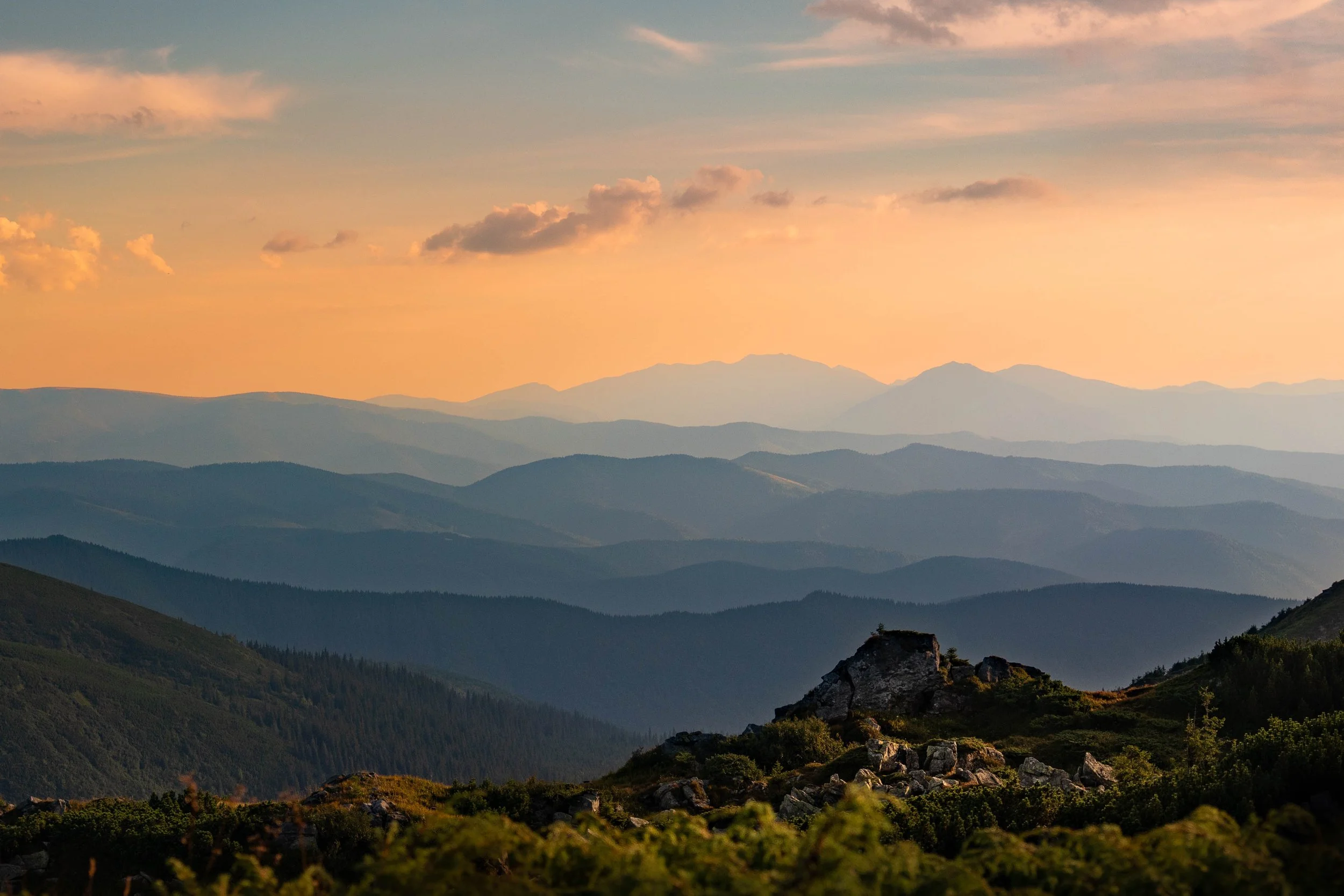
The project began with Experience Ukraine & Beyond, founded by Nataliya, who is Ukrainian. Through that work she organised small journeys into the Carpathian Mountains of western Ukraine, introducing visitors to village life, mountain landscapes, and the deep traditions of Hutsul culture.
These trips were never designed as conventional tourism. They developed through real relationships with families, artisans, shepherds, cooks and musicians — people whose lives are shaped by the landscapes they inhabit. Visitors were welcomed into these places not as spectators, but as guests.
Alongside the journeys, Nataliya also began sharing traditional Ukrainian textiles and garments in the UK, bringing handmade pieces from rural communities to craft fairs and cultural events. Many people first encountered her work through these markets, discovering the beauty of woven fabrics, embroidery and clothing passed down through generations.
The name comes from Ukrainian folklore. A MAVKA is a forest spirit — a mysterious figure connected to nature, wilderness and ancient stories. The name reflects the spirit of these journeys: places where landscape, folklore and culture remain closely connected.
Today MAVKA Folk Tours organises small cultural journeys to places where traditional ways of life are still alive, including Georgia, Romania and Kyrgyzstan, and when possible again, Ukraine.
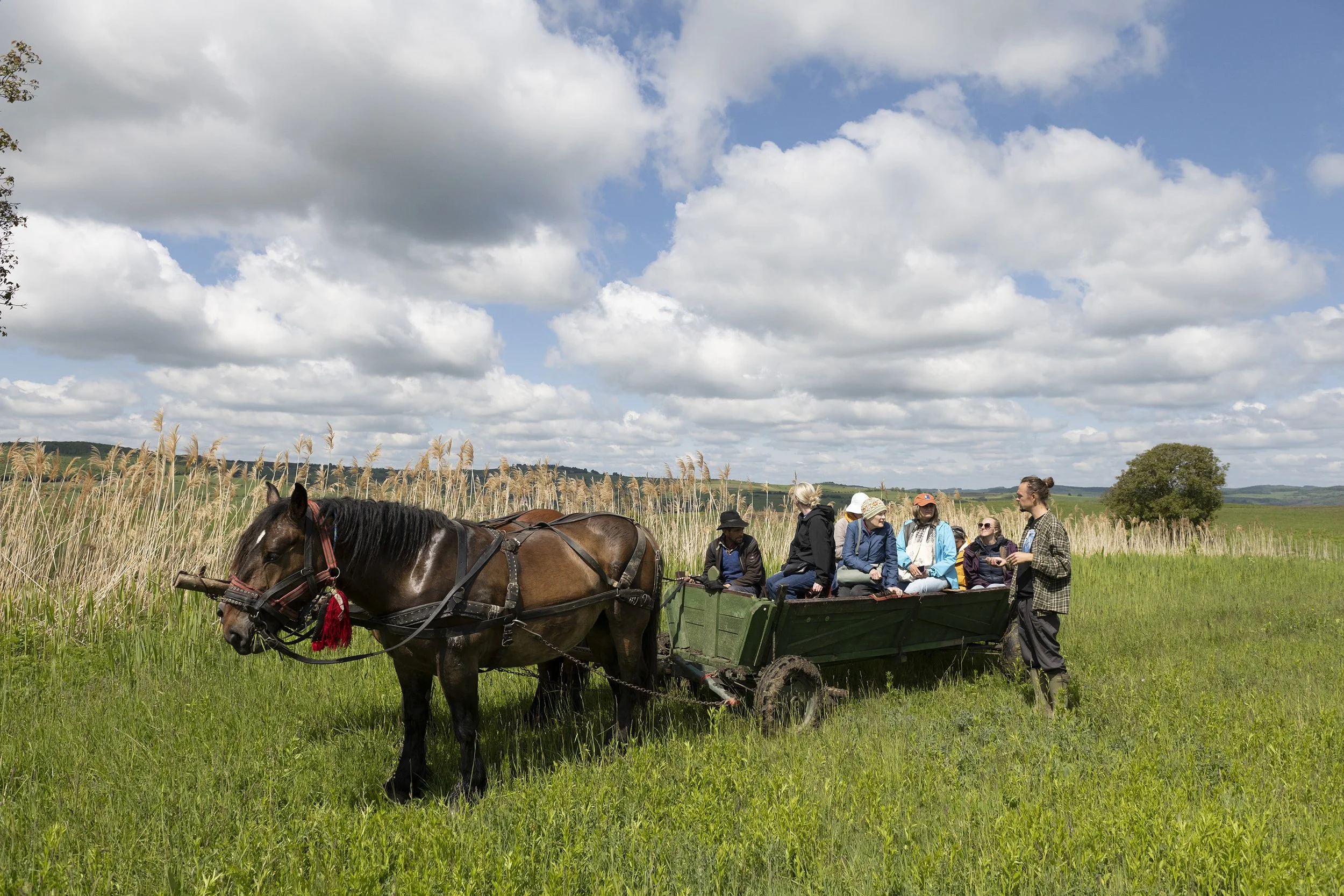
Our tours are intentionally small and carefully shaped. They move slowly and spend time in places that reward attention: mountain villages, family kitchens, craft workshops, forests and landscapes where culture is still lived rather than performed.
Guests might learn traditional crafts from local artisans, share food around long tables, walk through mountain pastures, or hear stories that have travelled through generations.
We always offer the most authentic, safe and socially responsible travel experiences. All of our trips have been designed by us. We don’t use other travel companies to lead our tours.
We only use local guides and local accommodation, so all money goes straight to local communities and tour contributes directly to local economy & sustainability.
On all of group tours our maximum size is 10 usually less, giving you better opportunities to interact with locals and minimising your impact.
We use best and trusted local guides on all our group tours, ensuring your trip runs smoothly from start to finish.
We aim to use authentic and interesting accommodation – usually the best available – as we believe the right accommodation can boost the overall experience.
We always offer our trips on an all-inclusive basis.
We include drinking water and soft drinks; there is no hidden cost.
We aim to use the most interesting, safe and comfortable transport available.
We also support number of arts projects in Nyzhnie Selyshche-village in rural Ukraine that we visit the most and give donations to all social projects that we visit on our tours.
Together, MAVKA Folk Tours brings travel, craft, landscape and storytelling into one experience — not tourism in the usual sense, but an invitation into places where culture still lives in everyday life.